Electrohypersensitivity (EHS) is increasingly recognized as a genuine pathological disorder linked to electromagnetic field (EMF) exposure. This article delves into the underlying mechanisms, diagnosis, and implications of EHS, advocating for its acknowledgment as a significant health issue by global health authorities. Why electrohypersensitivity and related symptoms are caused by non-ionizing man-made electromagnetic fields An overview […]
As a safety activist for individuals suffering from Electromagnetic Hypersensitivity (EHS), I am well aware of the growing concern and impact this condition has on our daily lives. With the exponential rise in the use of electronic devices and the proliferation of wireless technology, more and more people are experiencing symptoms such as headaches, fatigue, […]
EHS: A GROWING THREAT TO PUBLIC HEALTH Electromagnetic Hypersensitivity (EHS), also known as Electrosensitivity (ES), is a condition that is becoming increasingly prevalent due to the rampant use of technology in our world. This rising tide of radiation pollution from sources such as cell phone towers, wireless internet, cell phones, and other electronics is putting […]
EHS (electro-hypersensitivity) was first recognized in 1932 by the German medical doctor Erwin Schliephake. He published scientific data in the German Medical Weekly about his patients that were experiencing unusual symptoms around radio towers. He called this condition “microwave sickness” or “radio wave sickness”. The symptoms he observed were: Headaches to the point of intolerability […]
[pullquote]When you learn the true story of how wireless microwave radiation took the life of Jimmy Gonzalez, a brilliant Florida Attorney who in real life lost his battle with three different cell phone induced cancers on November 27, 2014 –RIP Jimmy — Chuck McGill doesn’t sound crazy anymore.[/pullquote] A hot new topic of confusion has […]
Panagopoulos DJ (Ed.). (2022). Electromagnetic Fields of Wireless Communications_ Biological and Health Effects (1st ed.). CRC Press. doi: 10.1201/9781003201052. This 544-page book is a comprehensive collection of research by experts on the biological and health effects of Radio Frequency (RF)/Microwave and Extremely Low Frequency (ELF) Electromagnetic Fields (EMFs) used in wireless communications (WC) and other […]
Introduction In the modern age, our environment is increasingly influenced by the proliferation of wireless devices and cell phones. These technologies, while providing immense convenience and connectivity, also generate what is known as entropic waste. This form of waste, largely consisting of electromagnetic radiation, has raised concerns about its potential impact on the environment and […]
The Rise of 5G and Health Concerns In the historic city of Bath, renowned for its Roman-built baths and recognized as a UNESCO World Heritage Site, the advent of Smart City 5G trials has ignited a significant debate. While the potential for technological advancements and improved connectivity is appealing, there is growing concern over the […]
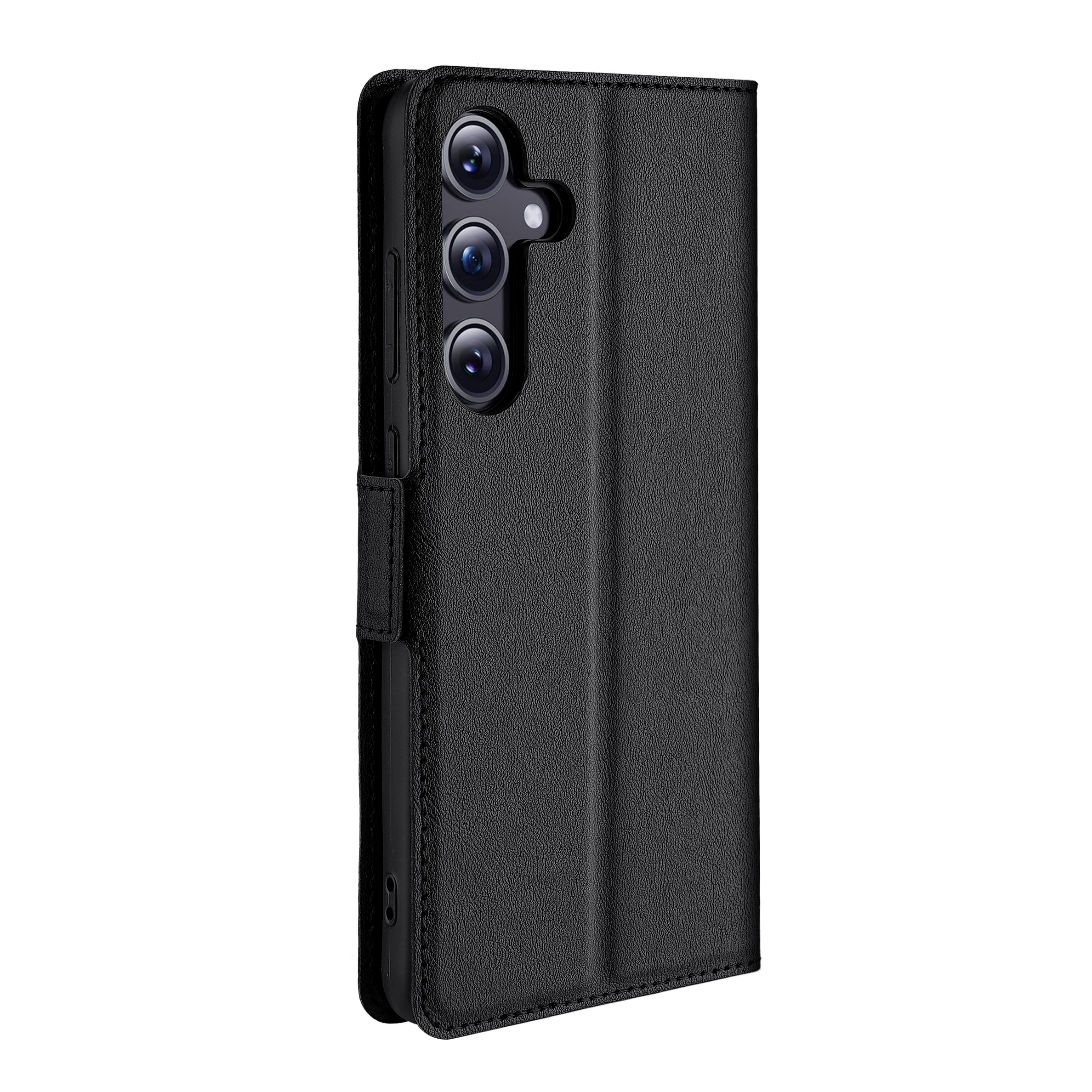
RF Safe® QuantaCase™ Phone Radiation Shield : The cellular transmission SAR values for the Samsung Galaxy S24 Ultra (FCC ID A3LSMS928U) are 1.26 W/kg (watts per kilogram) at the head and 0.62 W/kg when worn on the body. The hotspot/Airplay SAR level is 1.26 W/kg. The simultaneous transmission SAR values for Galaxy S24 Ultra (cellular plus Wi-Fi) is 1.59 W/kg at the head, 1.52 […]
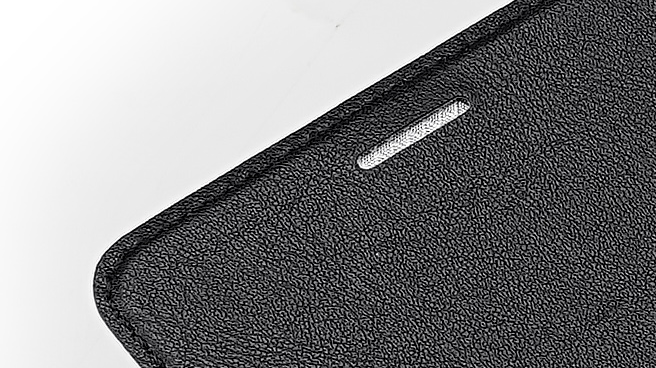
RF Safe® QuantaCase™ Phone Radiation Shield The cellular transmission SAR values for the Apple iPhone 15 Pro Max (FCC ID BCG-E8440A) are 1.07 W/kg (watts per kilogram) at the head and 1.11 W/kg when worn on the body. The hotspot/Airplay SAR level is 1.11 W/kg. The simultaneous transmission SAR values for iPhone 15 Pro Max (cellular plus Wi-Fi) is 1.43 W/kg at […]
RF Safe® QuantaCase™ Phone Radiation Shield The cellular transmission SAR values for the Apple iPhone 14 Pro Max (FCC ID BCG-E8141A) are 1.15 W/kg (watts per kilogram) at the head and 1.07 W/kg when worn on the body. The hotspot/Airplay SAR level is 1.03 W/kg. The simultaneous transmission SAR values for iPhone 14 Pro Max (cellular plus Wi-Fi) is 1.40 W/kg at […]
By choosing RF Safe’s products, consumers can take a stand against the unchecked proliferation of harmful technologies and advocate for a safer, healthier future. The QuantaCase product line is designed for those seeking to minimize their exposure to radiation from smartphones. This ultra-thin and sleek phone case is meticulously engineered to ensure the lowest possible […]
RF Safe® QuantaCase™ Phone Radiation Shield Anti-Radiation Case — The essential requirement of any cell phone radiation shielding is that it is electrically conductive. RF Safe® microwave radiation shielding material is integrated into the front flap of the outer case to deflect radiation (5G, Wi-Fi, EMF, etc.) away from your body while still allowing the […]
RF Safe® QuantaCase™ Phone Radiation Shield Anti-Radiation Case — The essential requirement of any cell phone radiation shielding is that it is electrically conductive. RF Safe® microwave radiation shielding material is integrated into the front flap of the outer case to deflect radiation (5G, Wi-Fi, EMF, etc.) away from your body while still allowing the […]
RF Safe® QuantaCase™ Phone Radiation Shield Anti-Radiation Case — The essential requirement of any cell phone radiation shielding is that it is electrically conductive. RF Safe® microwave radiation shielding material is integrated into the front flap of the outer case to deflect radiation (5G, Wi-Fi, EMF, etc.) away from your body while still allowing the […]
RF Safe® QuantaCase™ Phone Radiation Shield Anti-Radiation Case — The essential requirement of any cell phone radiation shielding is that it is electrically conductive. RF Safe® microwave radiation shielding material is integrated into the front flap of the outer case to deflect radiation (5G, Wi-Fi, EMF, etc.) away from your body while still allowing the […]
RF Safe® QuantaCase™ Phone Radiation Shield Anti-Radiation Case — The essential requirement of any cell phone radiation shielding is that it is electrically conductive. RF Safe® microwave radiation shielding material is integrated into the front flap of the outer case to deflect radiation (5G, Wi-Fi, EMF, etc.) away from your body while still allowing the […]
RF Safe® QuantaCase™ Phone Radiation Shield Anti-Radiation Case — The essential requirement of any cell phone radiation shielding is that it is electrically conductive. RF Safe® microwave radiation shielding material is integrated into the front flap of the outer case to deflect radiation (5G, Wi-Fi, EMF, etc.) away from your body while still allowing the […]
RF Safe® QuantaCase™ Phone Radiation Shield Anti-Radiation Case — The essential requirement of any cell phone radiation shielding is that it is electrically conductive. RF Safe® microwave radiation shielding material is integrated into the front flap of the outer case to deflect radiation (5G, Wi-Fi, EMF, etc.) away from your body while still allowing the […]
RF Safe® QuantaCase™ Phone Radiation Shield Anti-Radiation Case — The essential requirement of any cell phone radiation shielding is that it is electrically conductive. RF Safe® microwave radiation shielding material is integrated into the front flap of the outer case to deflect radiation (5G, Wi-Fi, EMF, etc.) away from your body while still allowing the […]
RF Safe® QuantaCase™ Phone Radiation Shield Anti-Radiation Case — The essential requirement of any cell phone radiation shielding is that it is electrically conductive. RF Safe® microwave radiation shielding material is integrated into the front flap of the outer case to deflect radiation (5G, Wi-Fi, EMF, etc.) away from your body while still allowing the […]
RF Safe® QuantaCase™ Phone Radiation Shield Anti-Radiation Case — The essential requirement of any cell phone radiation shielding is that it is electrically conductive. RF Safe® microwave radiation shielding material is integrated into the front flap of the outer case to deflect radiation (5G, Wi-Fi, EMF, etc.) away from your body while still allowing the […]
RF Safe® QuantaCase™ Phone Radiation Shield Anti-Radiation Case — The essential requirement of any cell phone radiation shielding is that it is electrically conductive. RF Safe® microwave radiation shielding material is integrated into the front flap of the outer case to deflect radiation (5G, Wi-Fi, EMF, etc.) away from your body while still allowing the […]
RF Safe® QuantaCase™ Phone Radiation Shield Anti-Radiation Case — The essential requirement of any cell phone radiation shielding is that it is electrically conductive. RF Safe® microwave radiation shielding material is integrated into the front flap of the outer case to deflect radiation (5G, Wi-Fi, EMF, etc.) away from your body while still allowing the […]
RF Safe® QuantaCase™ Phone Radiation Shield Anti-Radiation Case — The essential requirement of any cell phone radiation shielding is that it is electrically conductive. RF Safe® microwave radiation shielding material is integrated into the front flap of the outer case to deflect radiation (5G, Wi-Fi, EMF, etc.) away from your body while still allowing the […]
RF Safe® QuantaCase™ Phone Radiation Shield Anti-Radiation Case — The essential requirement of any cell phone radiation shielding is that it is electrically conductive. RF Safe® microwave radiation shielding material is integrated into the front flap of the outer case to deflect radiation (5G, Wi-Fi, EMF, etc.) away from your body while still allowing the […]
RF Safe® QuantaCase™ Phone Radiation Shield Anti-Radiation Case — The essential requirement of any cell phone radiation shielding is that it is electrically conductive. RF Safe® microwave radiation shielding material is integrated into the front flap of the outer case to deflect radiation (5G, Wi-Fi, EMF, etc.) away from your body while still allowing the […]
RF Safe® QuantaCase™ Phone Radiation Shield Anti-Radiation Case — The essential requirement of any cell phone radiation shielding is that it is electrically conductive. RF Safe® microwave radiation shielding material is integrated into the front flap of the outer case to deflect radiation (5G, Wi-Fi, EMF, etc.) away from your body while still allowing the […]
RF Safe® QuantaCase™ Phone Radiation Shield Anti-Radiation Case — The essential requirement of any cell phone radiation shielding is that it is electrically conductive. RF Safe® microwave radiation shielding material is integrated into the front flap of the outer case to deflect radiation (5G, Wi-Fi, EMF, etc.) away from your body while still allowing the […]
RF Safe® QuantaCase™ Phone Radiation Shield Anti-Radiation Case — The essential requirement of any cell phone radiation shielding is that it is electrically conductive. RF Safe® microwave radiation shielding material is integrated into the front flap of the outer case to deflect radiation (5G, Wi-Fi, EMF, etc.) away from your body while still allowing the […]