Phones, Wi-Fi, cell towers—it’s the air we breathe now. For years, the research felt like a puzzle with missing pieces: some studies show risks, others don’t, and the debates rage on. Then I came across the S4-Mito-Spin framework. It’s not hype; it’s a straightforward way to connect the dots from decades of peer-reviewed work. If you’re curious about why RF signals might affect our biology without cooking us like a microwave, stick around. I’ll break it down simply, with the latest from 2025, and no tinfoil required.
What Exactly Is S4-Mito-Spin?
At its core, S4-Mito-Spin is a model that explains how non-thermal EMFs—like those from cell phones or base stations—interact with our cells. It’s built on three established mechanisms in biophysics: ion channel disruptions, mitochondrial stress, and quantum spin effects. Proposed by advocates at RF Safe, it’s a synthesis, not a wild invention. Think of it as a map that shows why certain tissues (heart, brain, blood) keep popping up in studies with issues like tumors, oxidative damage, or sluggish circulation.
The key insight? Effects aren’t just about power levels; they’re about timing, tissue type, and subtle physics. A 2025 update emphasizes its “density-gated” aspect—meaning vulnerabilities scale with how packed a tissue is with these sensitive structures. This explains why some exposures hit hard in one spot but fizzle elsewhere.
The Three Pillars: How EMFs Get Under Our Skin
Let’s unpack each part. No PhD needed—I’ll keep it real.
Pillar 1: S4 – The Voltage Sensors on High Alert
Picture your cells as electrical networks. Voltage-gated ion channels (VGICs) are the gates that control ion flow, like calcium, to keep things running smoothly. The S4 segment is the sensor—a helical protein bit that detects voltage changes and opens the gate.
EMFs, especially pulsed or modulated ones, can jiggle ions near the membrane, creating “forced oscillations” that mess with S4 timing. No heat involved; it’s like static on a radio signal. This leads to erratic calcium signals, which cascade into stress. Tissues dense with these channels, like heart conduction cells or brain glia, are prime targets.
Pillar 2: Mito – Mitochondria as the Stress Amplifier
Once those gates glitch, mitochondria—the cell’s power plants—take the hit. They crank out energy but also reactive oxygen species (ROS) as a byproduct. Disrupted calcium floods amp up ROS production, leading to oxidative stress, DNA damage, and inflammation.
This pillar ties into why excitable tissues suffer: high mito density means bigger ROS storms. A fresh 2025 study on ELF-EMFs in pig embryos showed just two hours of exposure spiked global DNA methylation 16-fold and upregulated antioxidant genes like HSPA6, hinting at stress responses without heat. It aligns perfectly—EMFs nudging ion flows, mitochondria overreacting.

Pillar 3: Spin – The Quantum Twist in Redox Chemistry
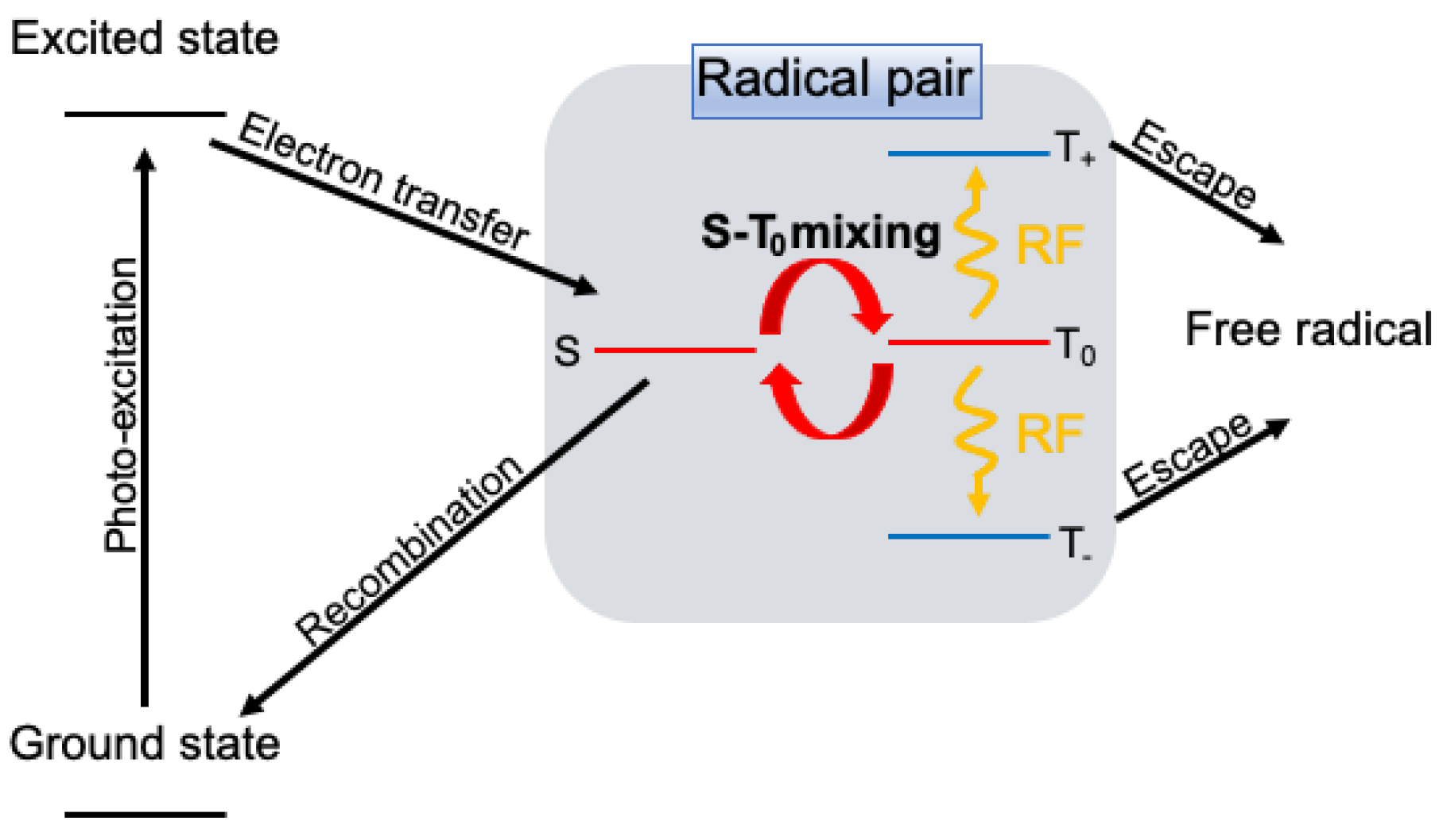
Here’s where it gets fascinating: not all effects need channels or mitochondria. In systems like red blood cells (RBCs), EMFs influence “spin-dependent chemistry”—think electron spins in radical pairs, like in heme (iron in hemoglobin) or flavins in enzymes.
Weak fields can flip these spins, altering reactions without energy input. It’s established in bird navigation via cryptochromes. In humans? A 2025 ultrasound study found smartphones at the hip caused RBC stacking (rouleaux) in leg veins within minutes, slowing flow—reversible but real.
And for rouleaux visuals:
The Evidence: Not Just Theory, Real Data
This isn’t armchair science. The U.S. National Toxicology Program (NTP) exposed rats to RF at levels near phone limits (1.5 W/kg) and found “clear evidence” of heart schwannomas—tumors in S4- and mito-rich cardiac nerves. The Ramazzini Institute replicated it at tiny doses (0.1 W/kg, like base stations), with gliomas too. Genetic profiling? 25% of mutations match human cancer genes.
2025 brings more: A WHO review rates high certainty for these animal cancers. Another compiles 117 studies showing RF harms sperm motility and DNA—testes are mito hotspots. And that embryo study? ELF-EMFs altered genes tied to coagulation and metabolism, echoing oxidative tweaks.
Critics say doses are “unrealistic,” but non-linear responses (mid-doses sometimes worse) fit the model—it’s resonance, not raw power.
Why It Matters: From Lab to Life and Policy
If S4-Mito-Spin holds, we’re not talking rare risks; it’s chronic low-level nudges building up. Think disrupted sleep (melatonin via cryptochrome spin), foggy thinking, or fertility dips.
Policy-wise, FCC limits from 1996 focus on heating, ignoring this. A 2021 court called them “arbitrary.” The Clean Ether Act proposal pushes alternatives like LiFi—light-based data transfer, standardized in 2023, slashing RF indoors without ditching tech.
Practical steps? Use speakerphone, wire your home office, turn off routers at night. It’s about smarter exposure, not fear.