
Shield the user side, not the fantasy side
A case only helps in the way it claims to help when the barrier is actually between the user and the handset during real calls and real carry.
The biggest problem in this category is not a lack of products. It is a lack of honest design logic. Many so-called anti-radiation phone cases ask the buyer to trust a shielding story without explaining how the finished case behaves on a real phone, how the barrier is supposed to be oriented, or whether the hardware choices in the case work with the radios or against them.
This static version of the guide focuses first on the seven design red flags buyers can actually see in products, then groups the policy red flags that help explain why this market stays so messy, and finishes with the Light-First / Li-Fi solution section as the way forward instead of ending on a pure negative.
Most buyers are trying to solve two problems at once: they want to protect the phone from drops and wear, and they want to lower exposure in the direction that matters. A badly designed anti-radiation phone case can fail at both jobs. It can add bulk, teach bad habits, hide the real limitations of the product, and still leave the buyer thinking they bought something “protective.”
A case only helps in the way it claims to help when the barrier is actually between the user and the handset during real calls and real carry.
Plates, magnets, metal loops, giant openings, thick wallets, and detachable structures are not just cosmetic decisions. They affect how the whole case works.
A serious product should make correct orientation and lower-exposure habits easier, not leave the buyer guessing where the shield belongs.
The real divide in this category is not “shielding” versus “no shielding.” It is first-principles design versus gimmick-first design.
These are the product-design issues that directly affect whether an anti-radiation case behaves sensibly in the real world. They are the first things a buyer should learn before worrying about policy, regulation, or bigger infrastructure questions.
Start here if you want the high-level buyer’s filter before you get into the deeper design mistakes one by one.
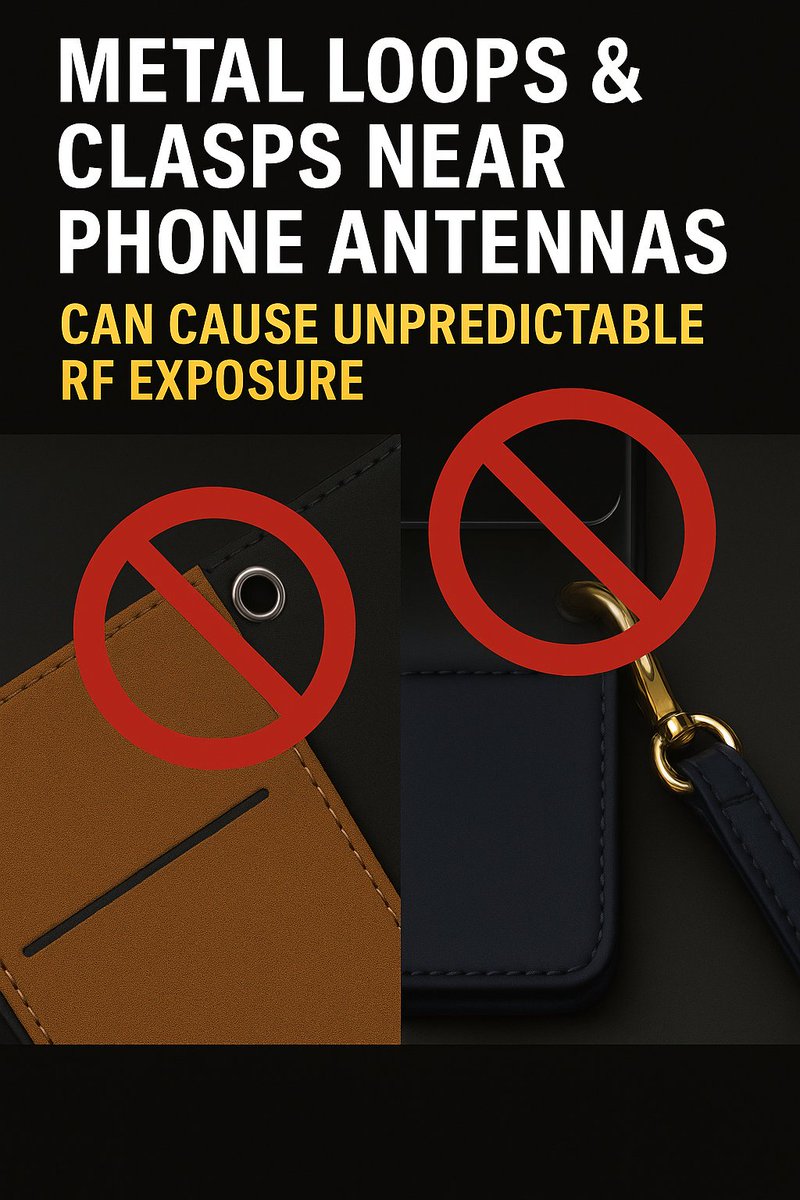
Metal loops, grommets, and clasp hardware near antenna zones are not innocent conveniences. They can change the electrical environment around the phone.
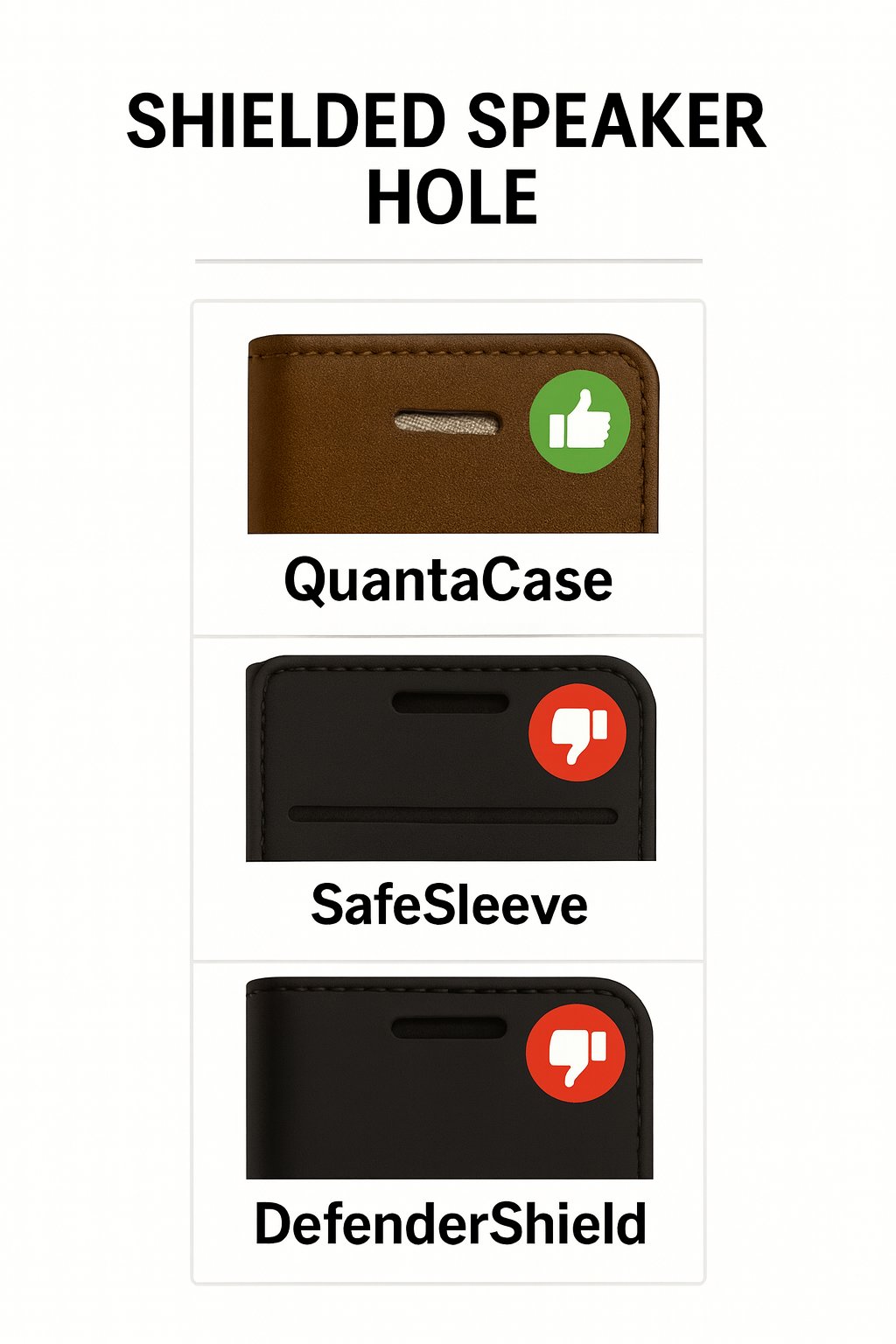
An unshielded ear-side opening can break continuity across the very area that is supposed to stand between the user and the handset.
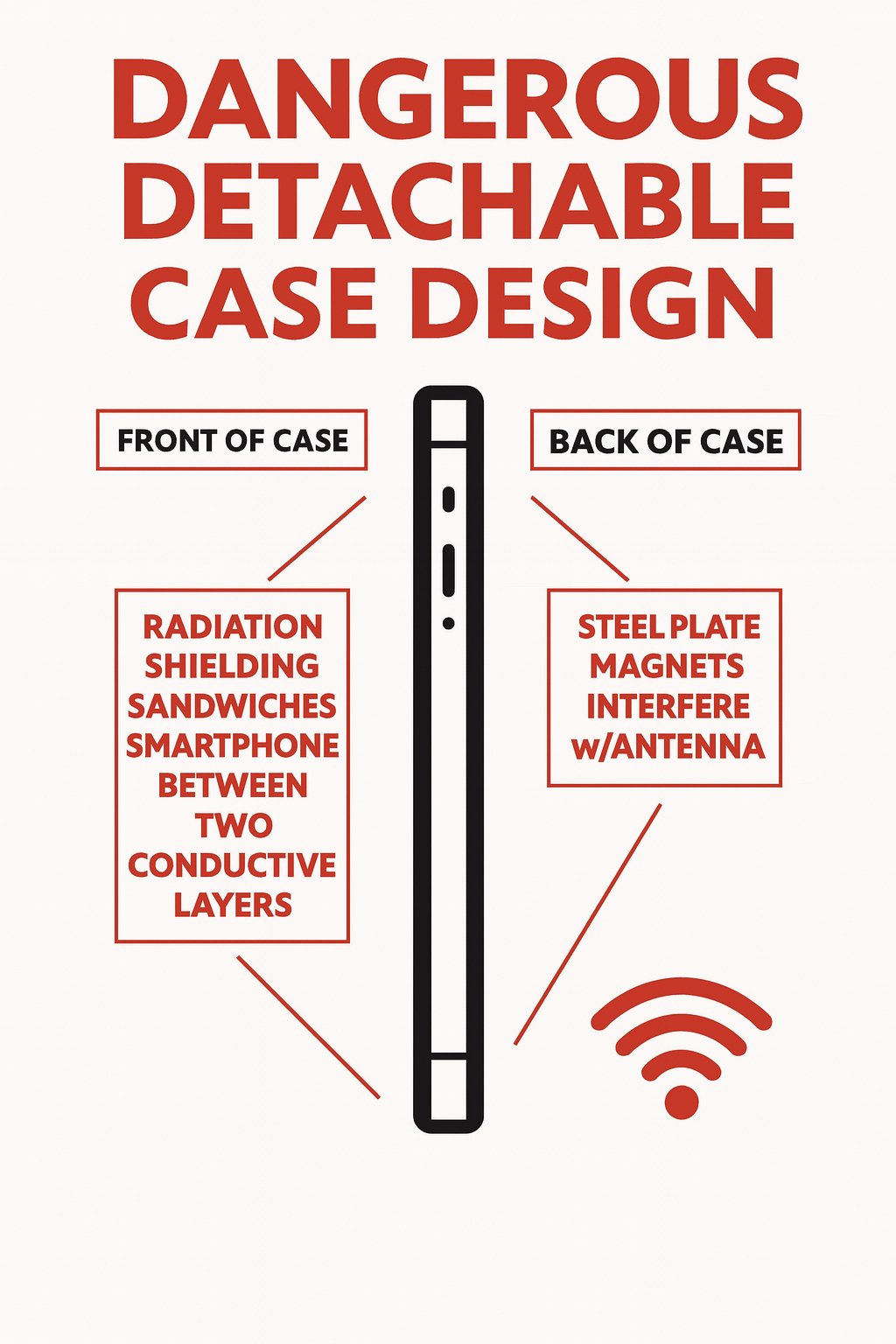
Detachable folio shells and rear plate systems can create exactly the two-sided conductive sandwich RF Safe warns against.
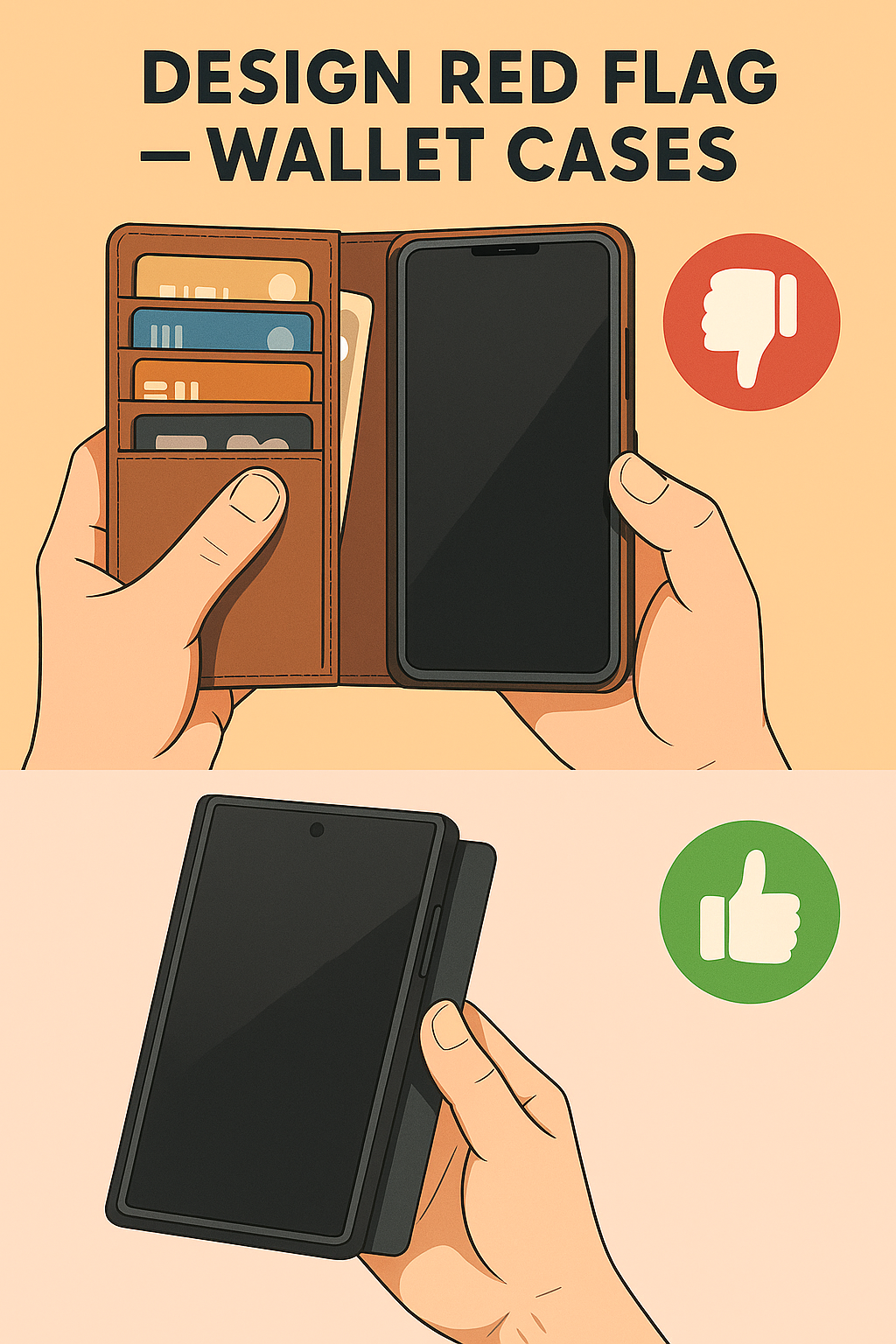
The thicker and more overbuilt the flap becomes, the less likely people are to actually flip it into the correct shield position every time.
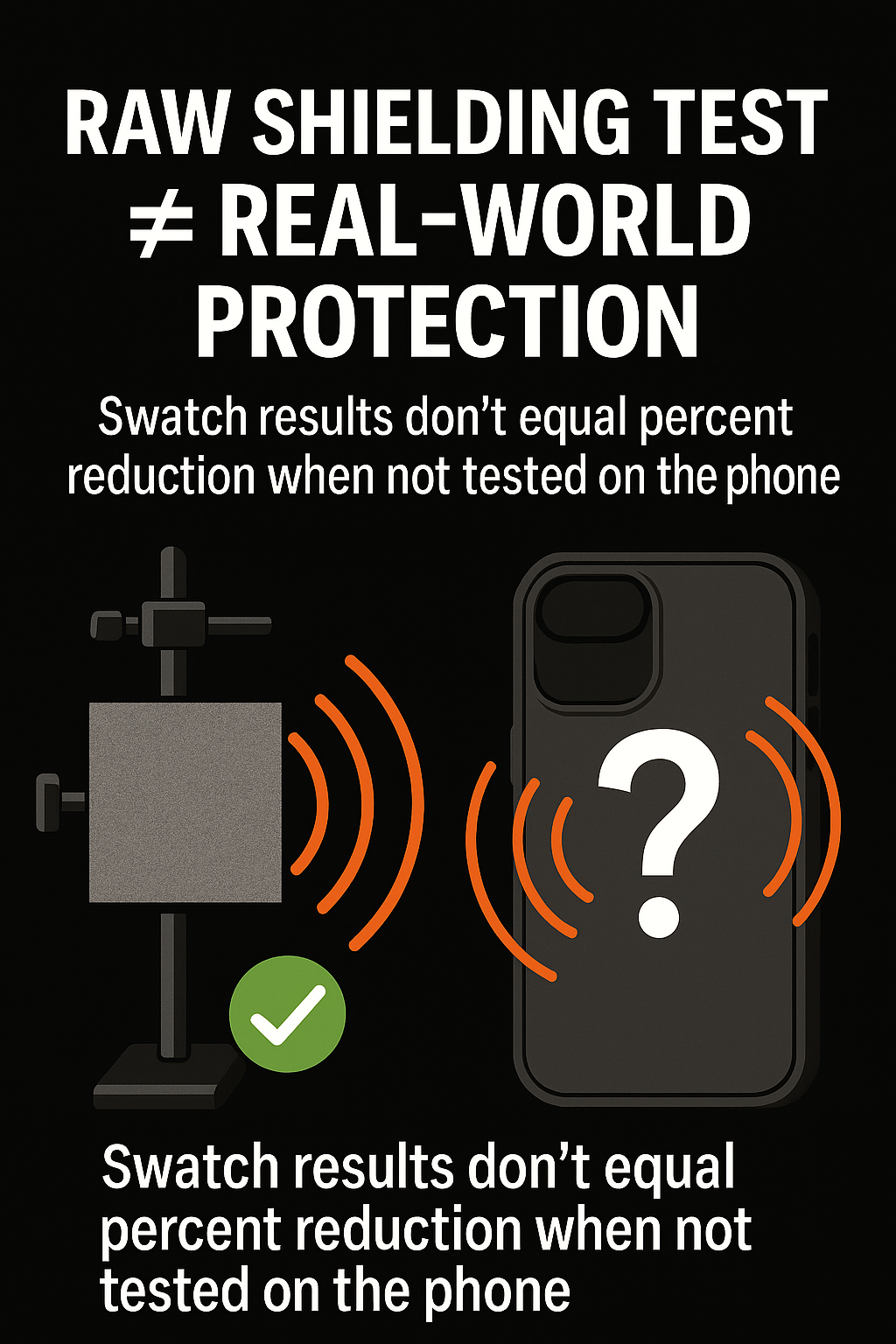
Raw material attenuation numbers are not the same as real-world finished-case performance on an actual phone in use.
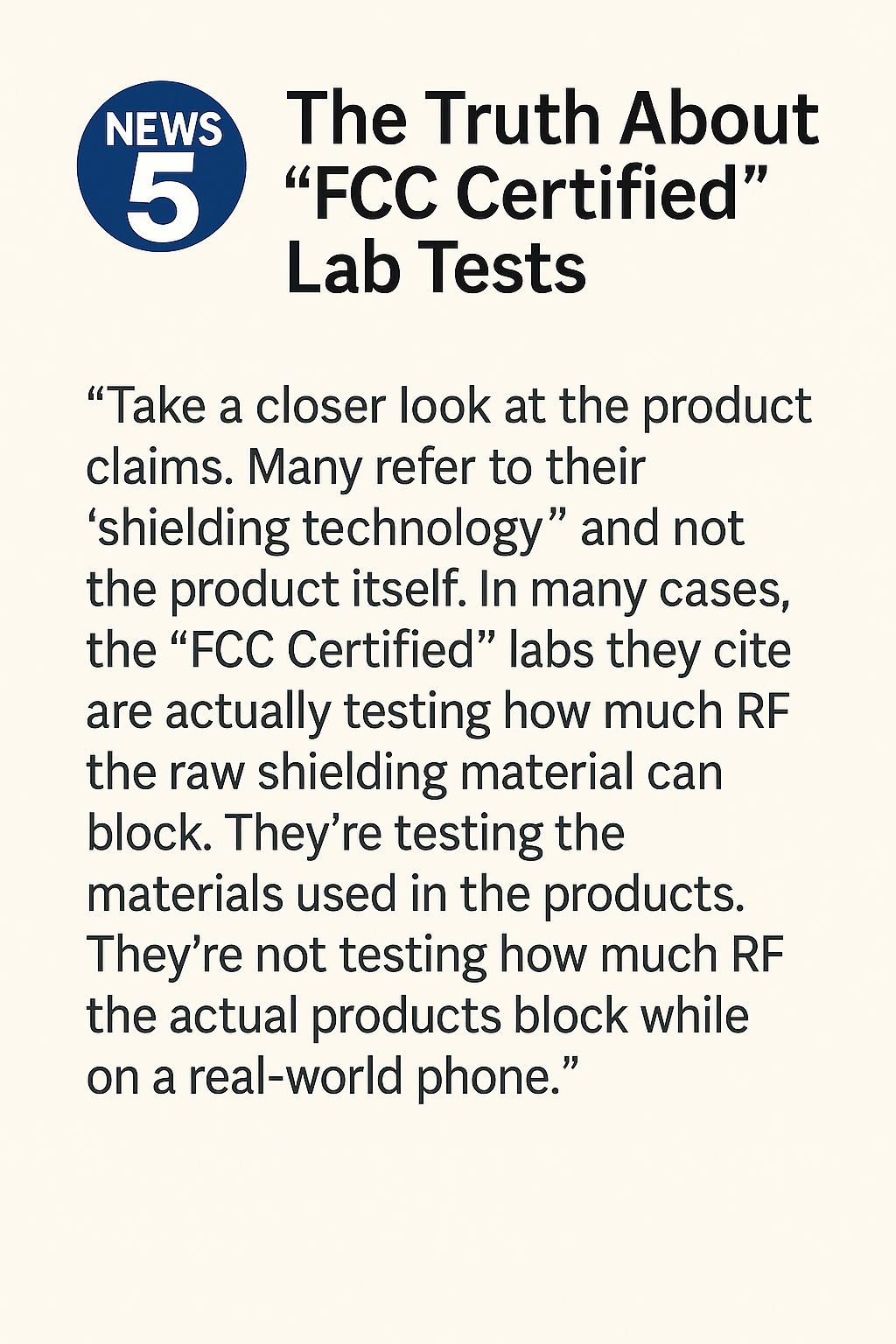
The KPIX entry pulls the abstract issue into plain English: many case ads are still built around the wrong kind of proof.
This is the long-form section for readers who want the reasoning, not just the headline. The first seven entries stay squarely focused on products and buyer decisions.
If you want a genuine anti-radiation phone case, start by asking the finished-product questions most brands try to avoid. Which side is shielded? Is the barrier clearly meant to face the user during calls and body carry? Are there metal loops, plates, or detachable parts near antenna zones? Does the earpiece opening preserve shielding continuity? Is the flap still thin enough to flip easily into the correct position in real life? Are the claims based on the finished phone-in-case system, or just a raw material swatch?
The strongest buyer’s filter is not “does this product use shielding material?” It is “does the whole finished design still make sense once the phone is inside it and the user starts carrying it normally?”
Small metal loops, grommets, and strap clasps placed near a phone’s radiating edge act as parasitic conductors. In the reactive near-field they add stray capacitance and inductance, detune the antenna from its intended match, and can distort the near-field close to the user.
RF Safe’s warning here is simple: when efficiency or link quality degrades, the phone’s power-control behavior can respond by increasing uplink transmit power to hold the connection. That means the accessory has not just failed to help—it may be contributing to the opposite of what the buyer wanted.
Best practice is straightforward: avoid metal rings, loops, clasps, magnets, and plates in antenna zones, keep materials thin and non-conductive around the radios, and place shielding only between you and the phone, not next to the antennas.
The ear-side opening is not a trivial cutout. RF Safe argues that only a continuous, conductive path across the front cover preserves the shield at the very place where the head is closest to the handset during a call. In the current comparison image, QuantaCase is shown with a visible conductive mesh, while the competing examples are shown with bare slots.
The red flag is not simply “there is a speaker opening.” The red flag is an opening that breaks the continuity of the shield across the ear-side area where the product is claiming to provide protection.
RF Safe’s detachable-design critique is one of the clearest product warnings in the whole guide. Many detachable folio systems pair a front “shield” with a rear plate, steel sheet, or magnet structure, effectively sandwiching the phone between conductive layers. The guide frames this as an engineering error because it alters boundary conditions around the device and can degrade radiation efficiency and pattern behavior near the user.
The fix, in RF Safe’s view, is a single-sided, directional barrier between the user and the phone, with the back kept clear of the extra metal and plate hardware that detachable designs tend to introduce.
The wallet-case critique is partly behavioral and partly physical. For a shielding flip case to work, the cover must flip all the way around so the barrier sits between the phone and the head or body. Once that flap becomes a thick wallet loaded with cards, cash, chips, magnetic strips, and extra bulk, it becomes harder to use properly every time.
RF Safe’s point is that people stop doing the correct flip-to-shield motion consistently when the cover gets heavy, stiff, or awkward. The extra thickness is also presented as another source of lossy material and clutter near the phone’s radio zones. A first-principles design keeps the cover thin, easy to flip, and single-purpose.
This red flag attacks one of the most common tricks in the entire category: showing the attenuation of a raw shielding swatch and letting the buyer assume that number equals finished-case protection on a working phone. RF Safe’s guide says clearly that it does not.
What matters is finished, in-device performance: the phone inside the case, in real calling and data modes, with realistic postures and the barrier closed toward the head or body. Anything less than that is only part of the story, and often the least useful part.
That is why RF Safe keeps hammering on placement, thin antenna-aware design, and real-use orientation instead of fabric percentages alone.
The KPIX 5 entry is useful because it translates the “raw swatch versus finished product” problem into a plain-language media example. The point is not that every cited lab is fake. The point is that many case companies point to the wrong kind of test—one that measures how much RF a raw shielding material blocks, not how the finished case on a real phone behaves in actual use.
That distinction matters because buyers hear “FCC-accredited lab” and assume that means “this finished product has been proven to reduce my exposure in real use.” The guide says that assumption is often unwarranted.
You asked not to let the policy entries dominate the page, so they are grouped here instead of taking over the main guide. But they still matter, because RF Safe’s position is that the bad product landscape is partly sustained by a bad policy landscape.
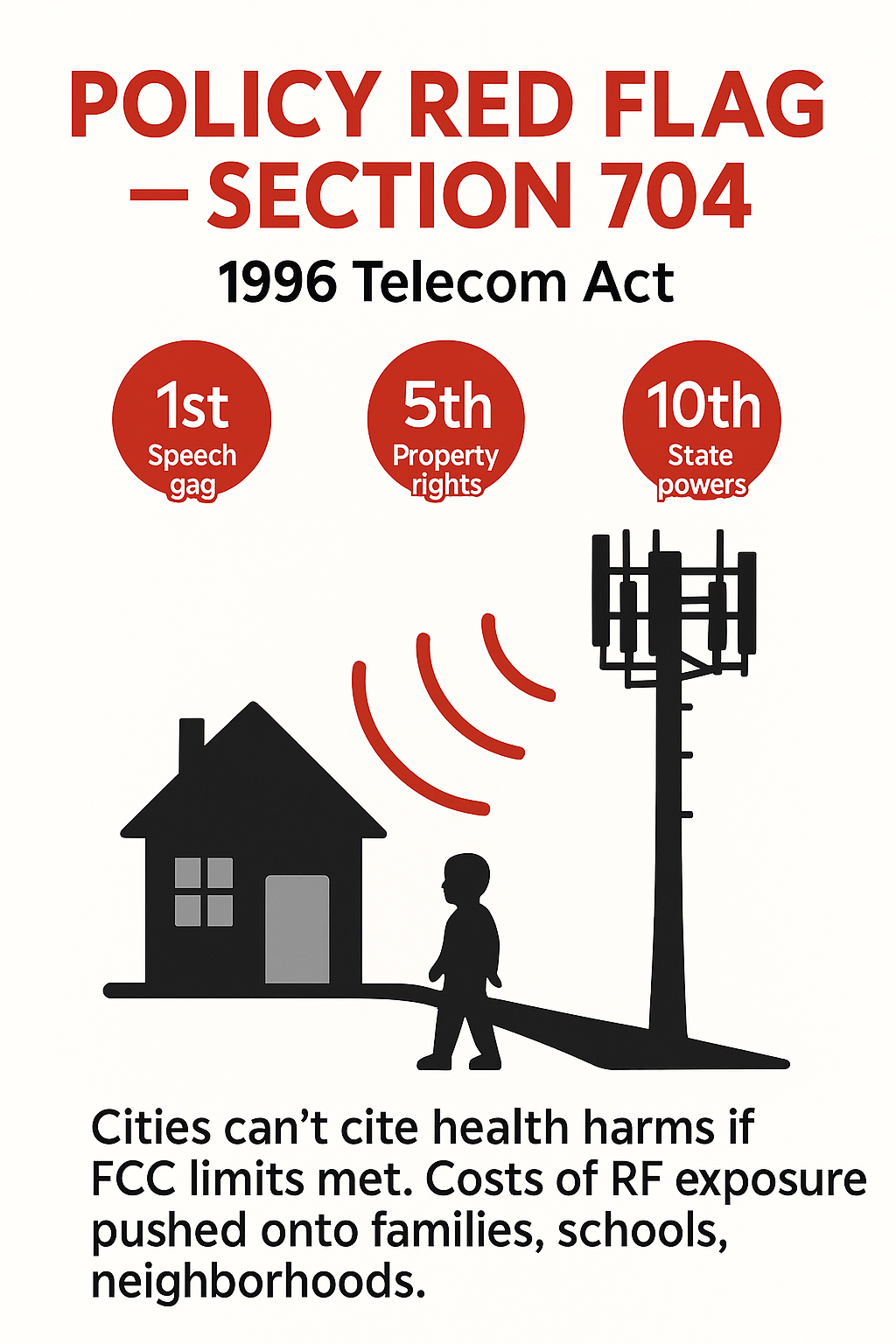
This entry argues that when wireless infrastructure is treated as compliant under old FCC limits, local communities lose the ability to raise health-based objections. In RF Safe’s framing, that creates a federal-level red flag because outdated standards can end up functioning like a gag rule at the local level.
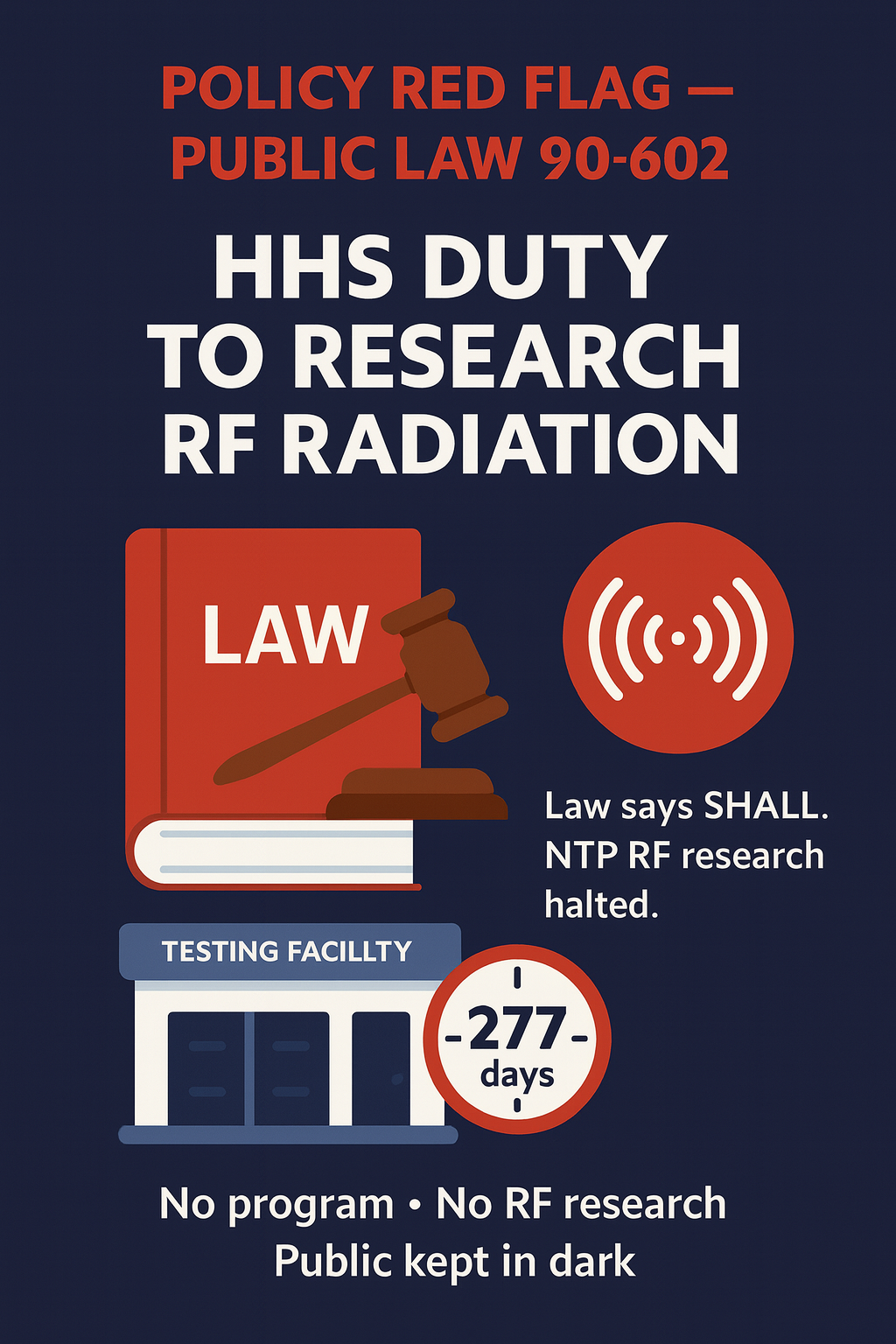
This entry says federal public-health responsibilities around electronic-product radiation have not been matched by a sustained, transparent RF bioeffects program. In RF Safe’s argument, that leaves the public without the independent research and reporting the statute implies should exist.
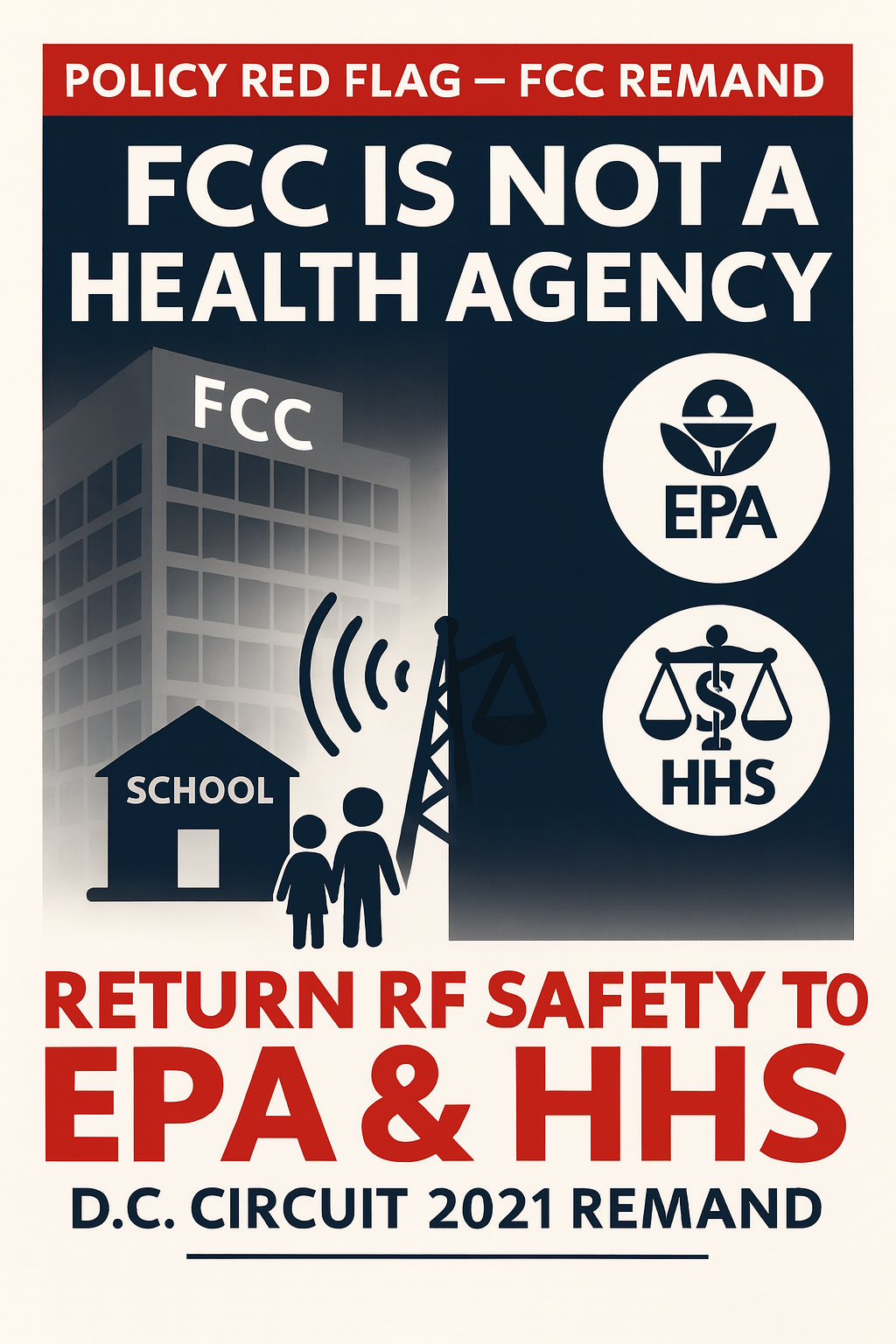
This entry uses the 2021 FCC remand as a reminder that the agency’s incentives are aligned with deployment and spectrum management, not health leadership. RF Safe’s position is that public-health agencies should lead RF risk assessment instead.
Grouped takeaway: the bad anti-radiation product market is not just a design problem. It is also a standards, accountability, and regulatory-framing problem.
Instead of ending on one more warning, this page ends where RF Safe wants the larger conversation to go: beyond defensive accessories alone and toward better system design.
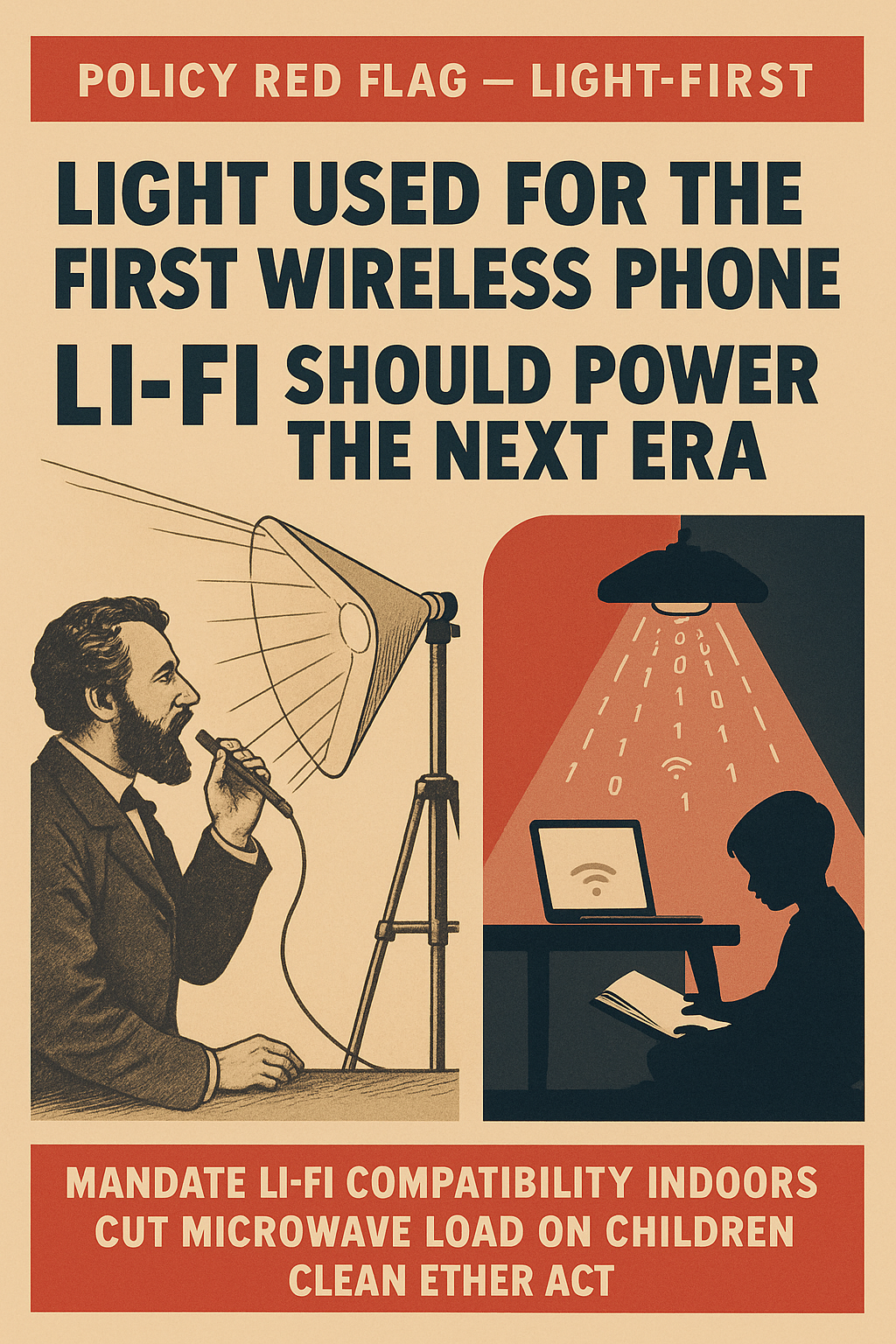
The last item in the live red-flags guide is better treated as a solution than a red flag. Its point is that indoor wireless connectivity does not have to stay microwave-heavy forever. RF Safe presents Li‑Fi and other light-based wireless systems as a way to move more indoor traffic onto photons instead of saturating classrooms, bedrooms, and close-occupancy environments with more RF than necessary.
The point here is not that accessories no longer matter. It is that accessories are a bridge solution inside a system that should still evolve. A smarter case helps today. Smarter infrastructure helps tomorrow.
The best ending to a red-flags page is not despair. It is a better design philosophy now, and a better communications infrastructure next.
This page works best as part of the broader RF Safe reading path. Once the buyer understands the red flags, the next question is what a better case, a better guide, and a better proof record actually look like.
The main product and philosophy page that explains RF Safe’s truth-first approach and how the case is supposed to be understood.
The step-by-step guide for speakerphone, calls, pockets, bag carry, and other everyday habits that matter just as much as the hardware.
The mainstream guide for readers who are still shopping broadly and need to understand why case design matters beyond drops and style.
The direct commercial landing page for buyers who already know they want an EMF phone case and want the straight product answer.
The proof-oriented archive of meter demos, comparisons, and video evidence showing how RF Safe frames finished-product testing.
The larger science-and-policy page for readers who want the deeper case against heat-only thinking and incomplete standards.
Now that the red flags are clear, use the selector and go straight to the matching TruthCase™ / QuantaCase® page.
This section keeps the practical buyer questions front and center.
The most important red flags are fake blanket blocking claims, metal loops and hardware near antenna zones, unshielded speaker slots, detachable shell systems, bulky wallet-style construction, and proof based on raw shielding swatches instead of finished-phone testing.
Because RF Safe’s position is that the product market does not exist in isolation. Weak standards, limited accountability, and outdated regulatory framing help create the conditions where bad product claims can keep circulating.
Because it points forward. RF Safe treats Light-First / Li-Fi as part of a better long-term direction for indoor connectivity, especially where children and high-density use are involved.
Go next to the TruthCase page, the usage guide, the buyer’s guide, the EMF phone case page, and the anti-radiation test archive.
This static page is built from the current live red-flags sequence and image set, then reorganized into a more editorial structure.
Choose your phone and jump straight to the matching case page.
If the embedded selector does not load, use the full selector page.