
The shield has to face the user
If the shielded side is not between you and the phone, the case is not being used the way it was designed to work.
A directional anti-radiation phone case only helps the way it is supposed to help when it is used correctly. That means the user has to understand which side is shielded, when the front flap needs to be closed, how the case should face the body in a pocket or bag, and why distance is still one of the most important habits in the whole conversation.
This TruthCase usage guide turns the JSON-based slide content in your current folder into a full, readable, search-friendly page. It is built to teach real use: calls, speakerphone, hold-to-ear use, pocket carry, bag carry, and safer everyday placement habits that make the product logic easier to follow.
One of the biggest problems in this category is that buyers assume the case does all the work by itself. A folio-style directional case is not magic. It is a design that only makes sense when the user understands how to place the barrier between the body and the handset during the moments that matter most.
If the shielded side is not between you and the phone, the case is not being used the way it was designed to work.
Speakerphone, bag carry, and keeping the phone away from the body whenever practical remain some of the strongest everyday habits available.
A better product teaches the user what to do during calls, in pockets, in bags, and around the home or car, instead of hiding behind generic shielding language.
The most honest anti-radiation case is not the one with the loudest promise. It is the one that teaches the user how to put the barrier in the right place, at the right time, in the real world.
The cards below are generated directly from the usage-guide JSON in this folder, but reorganized as a readable page that people can skim, click, and share more easily than a fullscreen slide experience.
The goal is to make this page work both as a quick reminder and as a more complete long-form guide.
QuantaCase Usage Guide
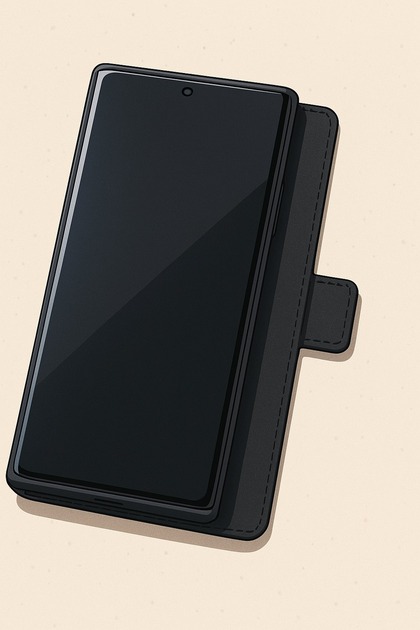
👉In this image, the QuantaCase’s front cover is flipped behind the phone, creating a small lip. This feature allows you to hold the phone without needing to grasp it in…
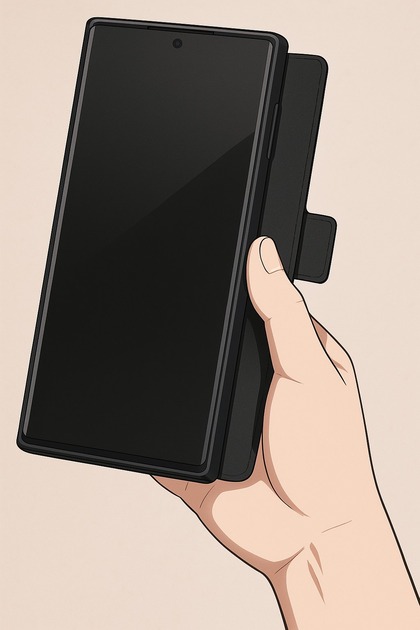
👉This image shows how to hold the phone comfortably with the QuantaCase on speakerphone mode. Notice how your thumb rests on the extended lip, providing a stable grip wi…
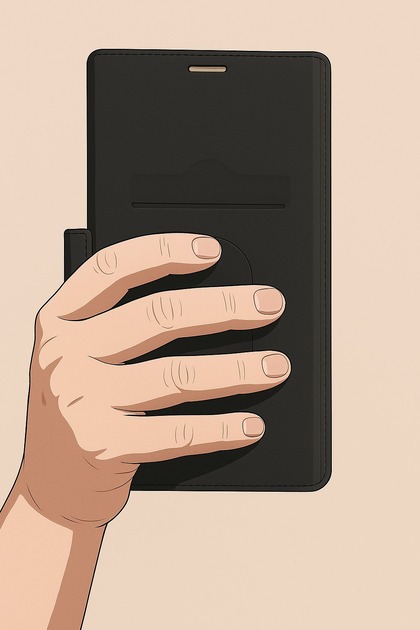
👉From behind, you can see how your fingers comfortably support the phone behind the microwave-shielded flap. This technique ensures a secure hold while minimizing direct…
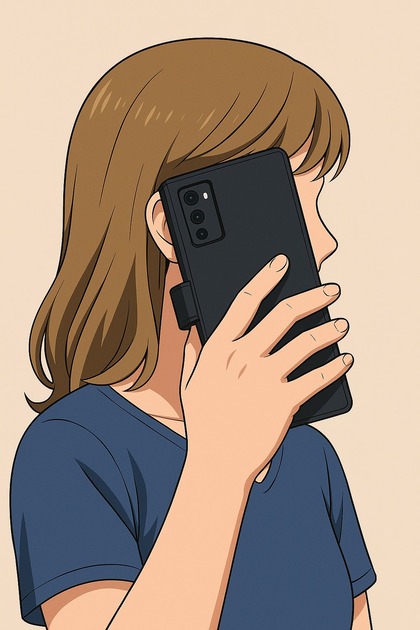
👉This image demonstrates holding the QuantaCase to your ear for a private call. If circumstances require placing the phone directly against your head, always ensure the…
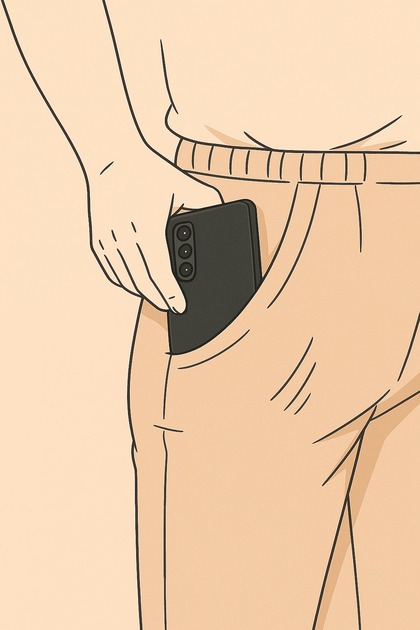
👉In this image, the QuantaCase is illustrated as being placed into a pocket, highlighting the correct orientation in an unavoidable situation. QuantaCase does not recomm…
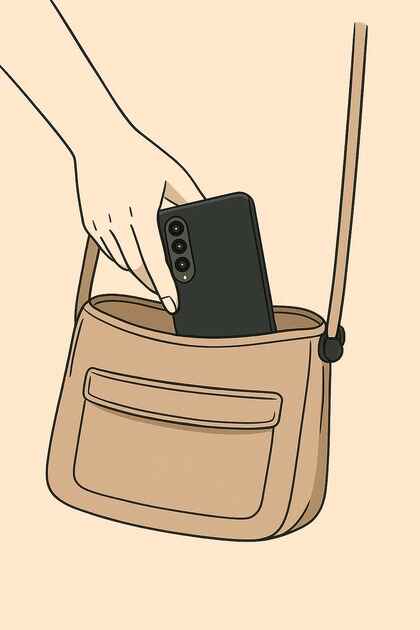
👉For maximum safety, place the QuantaCase inside a bag or purse with the front shielded cover facing toward you. This ensures the shielding layer remains between you and…
.png)
👉Use a dashboard phone holder that props a smartphone with its rear facing the windshield. By directing the phone’s main RF-emitting surface outward, the mount is intend…
.jpg)
👉What it is: QuantaCase™ is an ultra‑thin, antenna‑aware folio that uses directional shielding between you and the phone. It is free of metal loops, magnets, and steel p…
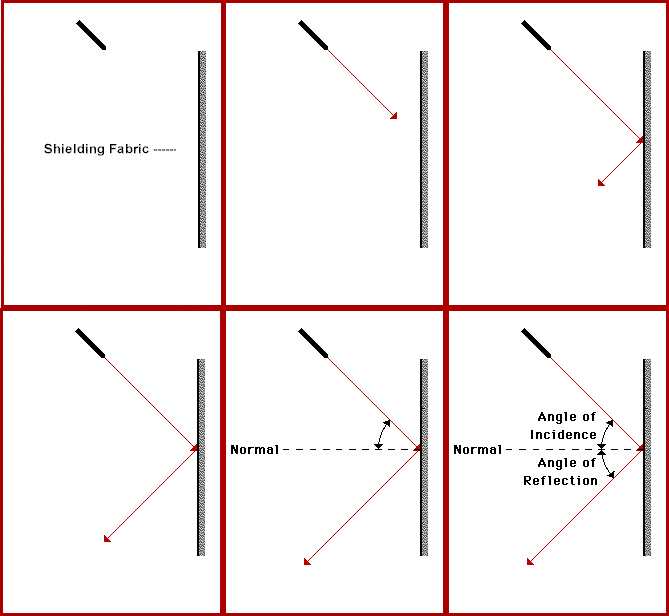
The “99%” shielding fabric works because it behaves like a very thin metal surface. When RF hits it, free electrons in the metalized threads are pushed into tiny current…
These are the complete entries from the usage guide JSON, displayed as a readable page instead of a pure slider. That makes the content easier to index, easier to link to, and easier for users to revisit when they need a specific reminder.
The point of a usage guide is not just to tell the user how to open or close a flap. It is to show how the case fits into a larger set of lower-exposure habits that make more sense than relying on a product alone.
A directional case is most useful when it is paired with habits that keep the handset farther from the head whenever possible.
If you can keep the phone out of the pocket and away from the body, that is usually a better everyday habit than relying on close carry.
Desk placement, nightstand placement, in-car placement, and storage habits all affect how often the phone sits close to the body.
If a feature is not needed in the moment, reducing unnecessary wireless activity can be part of a more intentional low-exposure routine.
The strongest phone-radiation habit is still distance. A better case helps, but a better case plus better daily behavior helps more.
This usage guide works best when it is connected to the rest of the RF Safe ecosystem: the TruthCase overview, the red-flags page, the buyer’s guide, the EMF phone case page, and the proof-focused video archive.
The main product and philosophy page that explains the truth-first, first-principles approach behind the case.
The buyer-awareness page that teaches users how to spot misleading anti-radiation case claims and poor design choices.
The mainstream guide for readers who are still shopping broadly and need to understand why case design matters.
The direct landing page for visitors who already know they want an EMF phone case and want the clean product argument.
The explanatory page for readers who want the shielding concept and correct-use logic before the purchase decision.
The comparison archive of videos, meter demonstrations, and real-world product tests for proof-oriented readers.
This section is written for the practical questions people ask when they realize a directional case only helps when it is used correctly.
The basic rule is to keep the shielded side between your body and the phone when it matters. That means closing the front flap toward your head during calls and facing the shielded side toward your body during carry.
A directional folio-style case depends on orientation. If the shielded side is not between you and the handset, the design is not being used the way it was intended.
Distance is still the biggest habit win. Speakerphone, bag carry, and keeping the phone away from the body whenever practical all matter more when combined with correct case orientation.
Start with the TruthCase overview, the red-flags page, the buyer’s guide, the EMF phone case page, and the anti-radiation test archive.