Near-infrared (NIR) light therapy, also known as Transcranial Photobiomodulation (tPBM), represents an innovative frontier in neuroscience and psychiatry. Utilizing specific wavelengths of near-infrared light to penetrate brain tissues safely and non-invasively, this therapy aims to stimulate brain function, rebalance emotional states, and offer new hope for treatment-resistant psychological conditions.
Near-Infrared Therapy:
What is Near-Infrared (NIR) Light Therapy?
Near-infrared light falls within a specific segment of the electromagnetic spectrum (approximately 700-1100 nm wavelength). It penetrates biological tissue effectively due to lower scattering and absorption compared to visible light, making it highly suitable for deep brain stimulation without invasive procedures.
Typical Wavelengths:
- Common therapeutic wavelengths: 810 nm, 830 nm, 850 nm, 940 nm, and 1064 nm.
- Frequency range: Typically continuous wave (CW) or pulsed at frequencies around 1 Hz to 10 Hz.
The Science of Photobiomodulation:
NIR light therapy involves using photons at precise wavelengths to stimulate cellular mitochondria, specifically activating the enzyme cytochrome c oxidase within the mitochondrial respiratory chain. This interaction enhances ATP production, improves oxygen metabolism, increases cerebral blood flow, reduces inflammation, and stimulates neurogenesis and synaptogenesis.
Brain Hemispheres, Trauma, and Emotional Health:
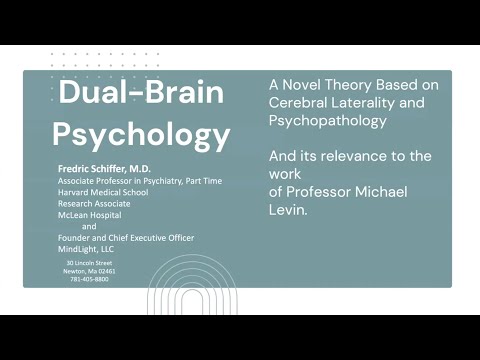
Dr. Fredric Schiffer, from the Harvard Medical School and McLean Hospital, proposes that psychological trauma and emotional disturbances often become lateralized—localized primarily within one brain hemisphere (right or left). He suggests that one hemisphere tends to store traumatic memories, shaping negative emotional responses, while the other hemisphere typically remains healthier, providing more balanced emotional reactions.
By targeting specific hemispheres, Dr. Schiffer’s approach leverages NIR therapy to stimulate the healthier hemisphere, thereby strengthening positive cognitive-emotional responses and diminishing negative trauma-related symptoms.
Clinical Applications and Results:
Dr. Schiffer’s research has explored applications of NIR therapy for:
- Addiction (Fentanyl, Cocaine, Alcohol):
- Clinical trials involving fentanyl addiction patients demonstrated significant reductions in cravings and usage following short-duration NIR treatments (approximately 4 minutes).
- Depression:
- Treatment-resistant depression patients showed notable improvement in mood and motivation following transcranial NIR stimulation.
- Studies report symptom relief lasting multiple days post-treatment.
- Anxiety and PTSD:
- Patients with severe anxiety, PTSD, and trauma-related symptoms demonstrated rapid anxiety reduction and emotional stabilization.
How Does the Device Work?
- The device directs NIR light precisely through the skull into targeted brain regions, guided by simple visual field tests to identify the healthier hemisphere.
- In some models, dual stimulation is employed:
- Continuous wave (CW) NIR to stimulate the positive hemisphere.
- Pulsed (1 Hz) NIR to inhibit or calm the traumatized hemisphere.
Dr. Schiffer mentioned using conservative dosages, with treatments typically lasting around 4 minutes, although durations can vary depending on clinical assessments and ongoing research results.
Safety and FDA Status:
- The device has been granted an FDA Breakthrough designation, indicating its potential as a revolutionary treatment pending further trials.
- Clinical research demonstrates no significant adverse effects, validating its safety profile.
- The therapy currently remains investigational and is administered under clinical trial conditions or specialized therapeutic settings.
Implications and Future Directions:
NIR photobiomodulation represents a promising direction for mental health treatment, potentially transforming the approach toward trauma, addiction, depression, and anxiety. Further research may uncover optimal treatment parameters, wavelengths, frequencies, and session durations to enhance efficacy.
Potential future directions include:
- Expanded clinical trials for broader psychological and neurological conditions.
- Optimization of device parameters for personalized treatments.
- Long-term studies to evaluate sustained effects and neuroplastic changes.
Conclusion:
Near-Infrared Light Therapy offers exciting potential as a non-invasive, safe, and innovative approach to rebalancing brain hemispheres, thus providing relief from deeply embedded trauma and associated emotional disturbances. This technology exemplifies how targeted photobiomodulation could revolutionize mental health treatments, delivering meaningful recovery to individuals previously considered treatment-resistant.